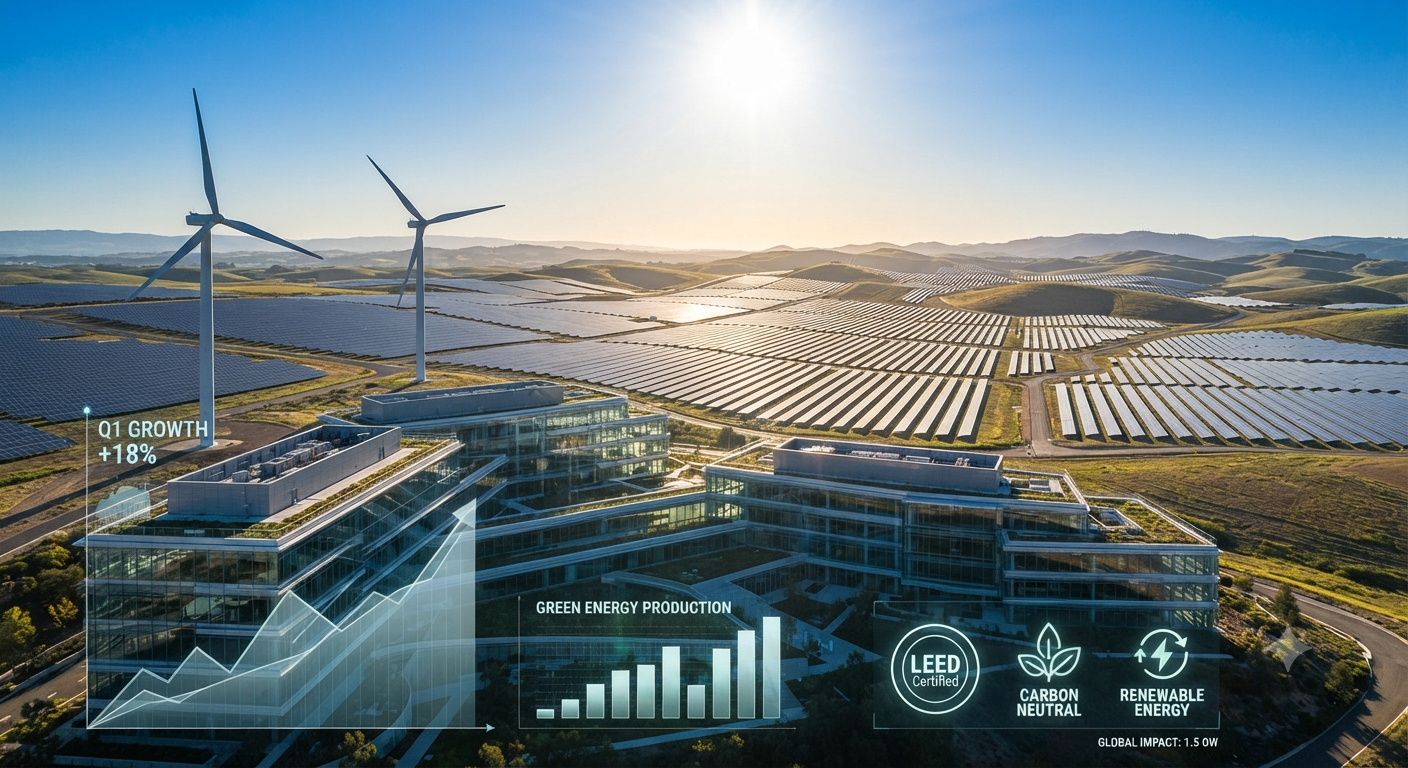
The worldwide transition toward decarbonization and sustainable infrastructure has propelled the solar energy industry into one of the most dynamic sectors for capital investment. Driven by aggressive government climate targets, falling technology costs, and rising corporate demand for renewable power, utility-scale solar projects and distributed generation systems are delivering robust financial returns.
For venture capitalists, institutional investors, and clean-tech entrepreneurs, understanding market drivers and emerging high-yield niches is essential for maximizing portfolio growth.
Key Growth Drivers in the Solar Market
Several macroeconomic and technological factors are fueling rapid expansion across the sector:
-
Grid-Scale Photovoltaic (PV) Expansion: Governments worldwide are auctioning massive tracts of land for mega-solar farms, creating high-value contracts for engineering, procurement, and construction (EPC) firms.
-
Commercial and Industrial (C&I) Solar Adoption: Corporations are aggressively installing rooftop and carport solar arrays to hedge against volatile grid electricity prices and meet strict environmental, social, and governance (ESG) reporting metrics.
-
Energy Storage Integration: The pairing of solar installations with advanced lithium-ion and flow battery storage systems solves intermittency issues, unlocking lucrative revenue streams through grid balancing and peak-demand shaving.
-
Decentralized Microgrids: Remote communities, island nations, and industrial mining operations are increasingly relying on standalone solar microgrids to ensure energy independence and lower operational overhead.
Navigating Regulatory and Financing Challenges
While the market potential is immense, investors must navigate shifting regulatory frameworks, interconnection queues, and supply chain bottlenecks. Partnering with experienced developers and utilizing green bonds or tax-equity financing structures helps mitigate risk while capturing long-term, stable cash flows.
