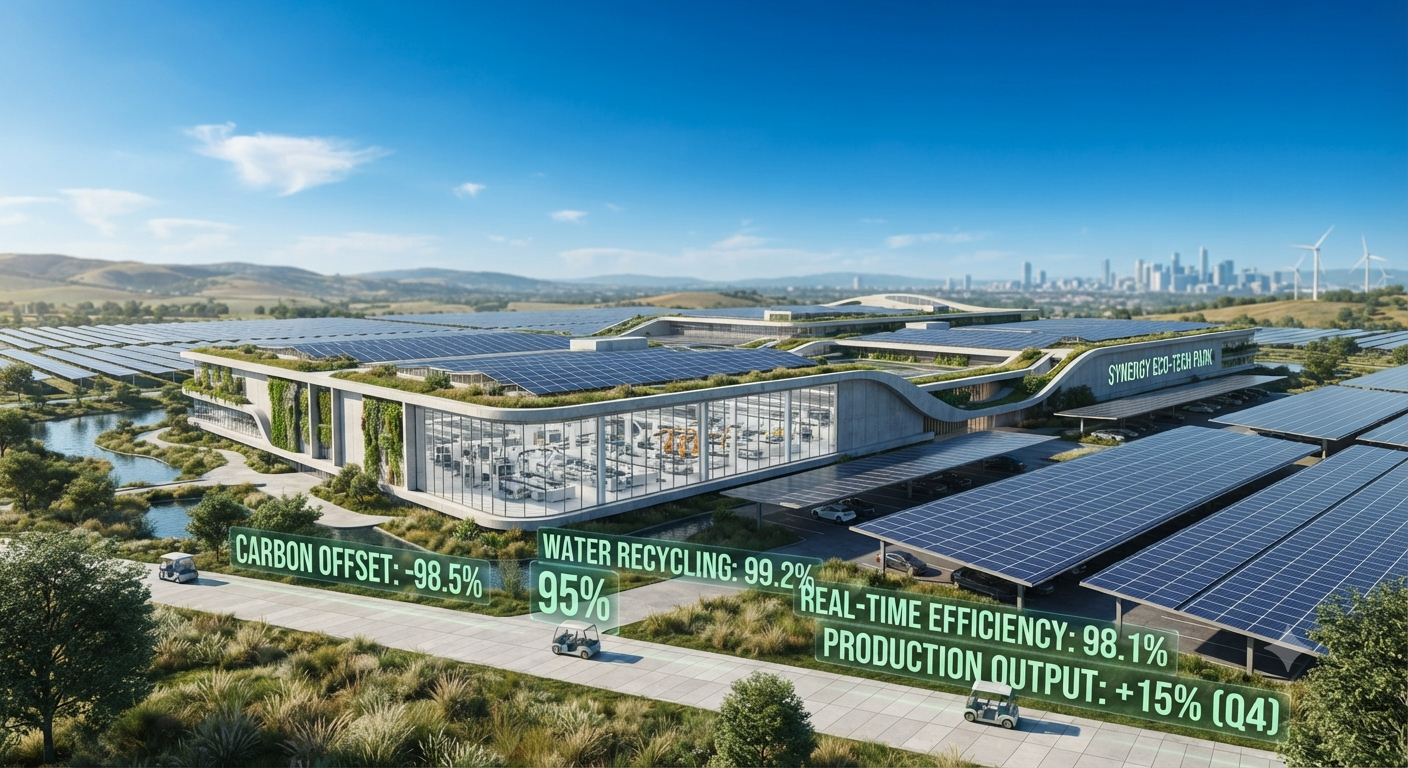
Industrial Decarbonization and Sustainable Manufacturing Frameworks

Global regulatory mandates, corporate environmental governance (ESG) standards, and shifting consumer expectations are compelling heavy industries to rethink their carbon footprints. Industrial decarbonization is no longer just an environmental initiative—it is a critical economic strategy. Forward-thinking manufacturing enterprises are actively restructuring their operations to integrate renewable energy, optimize carbon capture, and achieve sustainable production milestones.

Core Strategies for Industrial Sustainability

Transitioning heavy industry toward net-zero emissions requires massive capital allocation and innovative engineering frameworks. Key strategic initiatives include:

  1. Industrial Energy Efficiency Audits: Deploying advanced smart meters and energy analytics software to identify and eliminate power waste across heavy assembly lines.

  2. Electrification of Thermal Processes: Replacing fossil-fuel-powered industrial boilers and furnaces with high-efficiency electric induction systems powered by renewable microgrids.

  3. Circular Economy Integration: Designing industrial processes that recycle waste heat, water, and raw material scraps directly back into the production cycle.

Monetizing High-Intent Clean-Tech B2B Traffic

Consultancy firms specializing in ESG compliance, clean-tech engineering providers, and renewable energy equipment manufacturers compete fiercely for professional traffic in this sector. Keywords related to industrial carbon reduction strategies, green manufacturing technology, and corporate sustainability software generate premium advertising bids and high-value B2B leads.

Conclusion

Decarbonization is the defining industrial challenge and opportunity of the decade. By implementing sustainable manufacturing frameworks and energy-efficient technologies, heavy industries can comply with global regulations while securing long-term operational resilience.

Related Posts

Industrial Asset Management and Predictive Maintenance Technologies

In heavy industrial sectors such as oil and gas, energy generation, and large-scale manufacturing, unexpected equipment failure can result in catastrophic financial losses and severe operational downtime….

UK Corporate Insolvency and Debt Restructuring: Strategic Advisory for Distressed Enterprises

Navigating liquidity challenges and balance sheet pressures is a pivotal test for corporate leadership in the UK. When operational cash flows tighten, understanding the legal frameworks governing…

UK Corporate Insolvency and Debt Restructuring: Strategic Advisory for Distressed Enterprises

Navigating liquidity challenges and balance sheet pressures is a pivotal test for corporate leadership in the UK. When operational cash flows tighten, understanding the legal frameworks governing…

UK Corporate Tax Optimization & M&A Due Diligence: Structuring Deals under HMRC Regulations

Executing Mergers and Acquisitions (M&A) in the United Kingdom requires meticulous tax planning and legal due diligence. Navigating the regulatory oversight of HM Revenue and Customs (HMRC)…

UK Commercial Liability Insurance Guide: Directors and Officers (D&O), Professional Indemnity, and Cyber Risk Coverage

Operating a mid-to-enterprise business in the United Kingdom carries complex legal and financial liabilities. Between evolving regulatory requirements under the Financial Conduct Authority (FCA) and increasing corporate…

UK Commercial Fleet Insurance, Enterprise Motor Liability Quote, Commercial Auto Coverage London, Corporate Vehicle Risk Management

Managing operational vehicle risk across commercial transportation networks, delivery fleets, or corporate sales teams represents one of the largest controllable overheads for UK businesses. Securing robust commercial…

Leave a Reply

Your email address will not be published. Required fields are marked *